
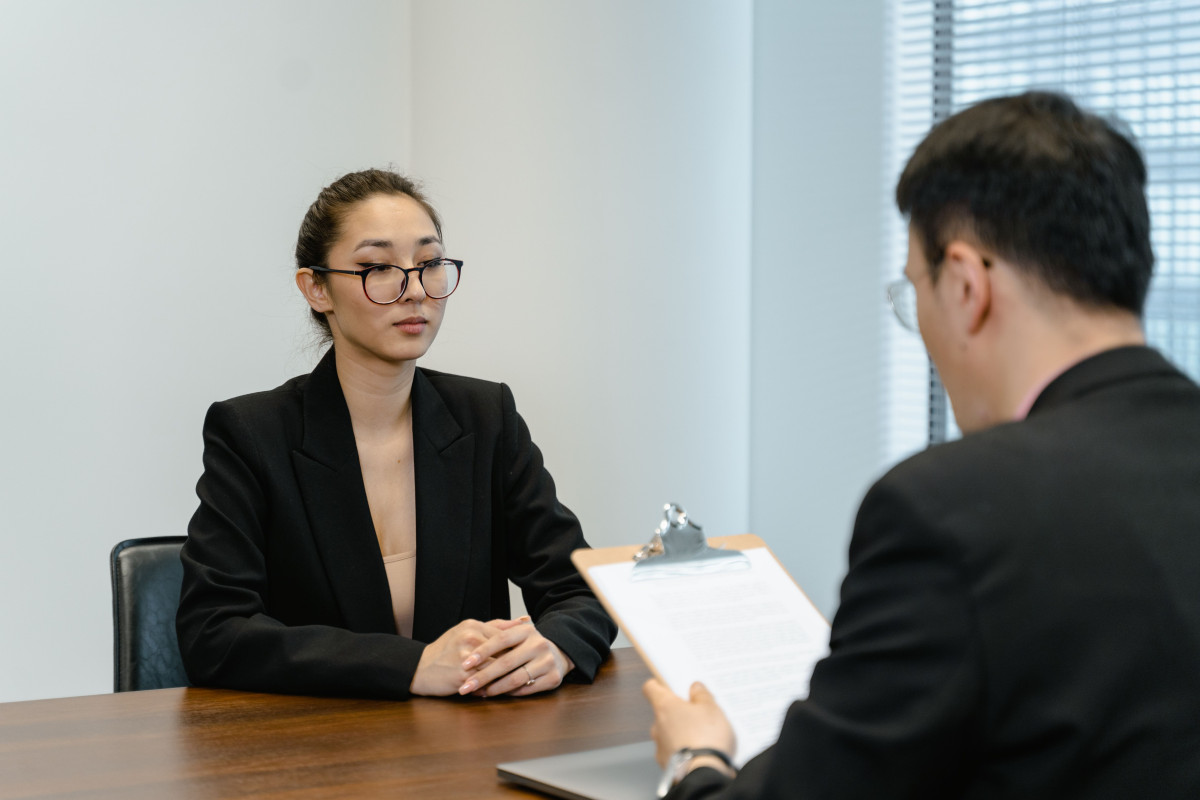
Job interviews are almost always daunting. Even seasoned professionals often feel unusually nervous and unsure of how well an interview will go. It certainly doesn’t help that hiring managers in 2026—faced with a highly competitive labor market and increased scrutiny on cultural fit—are paying extreme attention to every micro-expression their candidates make.
However, as a leading Talent Acquisition Agency in Singapore, we believe that as long as you have prepped and conducted the necessary research, there should be minimal margin for error.
Confidence is not just about what you say; it is heavily dictated by your body language. In this article, we will break down five common physical expressions that scream nervousness to a recruiter, along with the psychological reasons behind them and actionable tips to combat them.
Preparation: The Foundation of Interview Confidence
Being nervous might be inevitable, but you can drastically reduce the anxiety by entering the interview room (or virtual meeting) meticulously prepared. If you are a recent graduate navigating this for the first time, you can also explore our guide on Why Fresh Graduates in Singapore Should Consider a Career in the Public Sector to understand the different interview landscapes.
The 2026 Singapore Job Interview Checklist:
Your Resume: Even in a digital-first world, if you have a face-to-face interview scheduled, always bring three physical copies of your resume.
Identification & Documents: While companies cannot physically retain or make unauthorized copies of your NRIC under the Personal Data Protection Commission (PDPC) guidelines, they will need to visually verify your identity and your right to work in Singapore.
Your Portfolio: Have a tablet or printed copy of your portfolio ready for immediate reference, especially if you are interviewing for roles in design or Cloud Engineering.
5 Common Expressions That Show Nervousness (And Why We Do Them)
1. Excessive Blinking
Did you know that the average relaxed human blinks 6 to 8 times per minute? When you are nervous, you tend to blink much faster.
The Science: When you are under stress, you become more sensitive to light and eye strain. Furthermore, blinking is how our brain processes visual information. In a high-stress interview (a psychological “fight or flight” scenario), your brain is desperately trying to process the interviewer’s reactions at a faster speed, leading to rapid blinking.
Note: Staring blankly without blinking is equally detrimental, as it is associated with inattentiveness or hostility.
2. The “Freeze” Response
“Frozen like a deer in the headlights” is a cliché for a reason. This freezing reaction is triggered by conditioned psychological fear—associating the interview evaluation with negative past experiences, much like the panic felt during a major school exam. When prompted with a difficult question, candidates often stiffen their bodies, fixate on a single spot on the wall, and allow their facial expressions to go entirely blank while their brain scrambles for an answer.
3. Excessive Self-Touching (Pacifying Behaviors)
When we are stressed, unhappy, or nervous, we subconsciously yearn for physical comfort. We engage in pacifying behaviors because physical touch releases dopamine and serotonin—neurotransmitters that regulate mood and soothe the brain’s pleasure centers.
Common self-soothing actions include: Crossing arms tightly, touching the back of the neck, playing with hair, or rubbing hands against the thighs. While natural, these actions immediately signal to a recruiter that you are uncomfortable.
4. Looking Down (Avoiding Eye Contact)
Another subconscious action made when anxious is looking down or avoiding direct eye contact. In Singaporean business culture, eye contact reflects sincerity and confidence. Looking down signals that you are intimidated or, worse, that you are not being entirely truthful. This applies to listening as well as speaking. If you do not maintain comfortable eye contact while the hiring manager is explaining the role, it signals a lack of engagement.
5. Fidgeting
Fidgeting involves repetitive, unnecessary movements.
The Science: When you perceive a threat (the interview), your body elevates stress hormones, preparing your muscles for sudden physical exertion to escape the danger. Since you cannot physically run out of the boardroom, that pent-up kinetic energy has nowhere to go. It converts into tiny, repetitive movements: clicking a pen, jiggling a leg, or spinning a ring.
3 Tips to Look Consistently Confident During Interviews
If you want to Remain Competitive in The Job Market, mastering your physical presence is just as important as mastering your technical skills. Here is how you control the narrative.
A. Master the Tactical Pause (Breathe)
Often, when we are nervous, we hyperventilate or hold our breath entirely. When the interviewer asks a difficult question, do not answer immediately. Take a two-second tactical pause. Take a deep, regulated breath. This pause shows the interviewer that you are thoughtfully considering their question, rather than blurting out a panicked response. Deep breathing will instantly relax your facial muscles, prevent the “freeze” response, and naturally regulate your blink rate.
B. Relocate Your Self-Soothing Mechanisms
It is normal to need a physical release for your anxiety. The trick is to hide it. Relocate your self-soothing actions below the table or out of the frame if you are on a video call.
Instead of touching your neck or playing with your hair, try subtly pressing your fingertips together in your lap, massaging your thumb, or planting your feet firmly on the floor to ground yourself.
C. Conduct High-Friction Mock Interviews
The best way to prevent the “fight or flight” response is through exposure therapy. Have a mentor or friend sit down and conduct a rigorous mock interview with you.
Record yourself. It is the fastest way to identify if you are jiggling your leg or avoiding eye contact.
Practice looking directly into the camera lens for virtual interviews (which mimics eye contact) or maintaining a soft, comfortable gaze for physical interviews.
If you are interviewing for specialized technical roles, ensure your mock interview includes industry-specific stress tests. (Read more: Strategies for Recruiting Specialized Roles).
Final Thoughts
Nailing an interview is about controlling the controllables. Remember, the interviewer wants you to succeed—they want to fill the role just as much as you want the job. Treat the conversation as a professional dialogue rather than an interrogation.
Are you looking to put these interview skills to the test? Whether you are looking for contract roles or permanent placement, BGC Group offers a multitude of exciting job opportunities across Singapore. Browse our job portal today and take the next confident step in your career!