
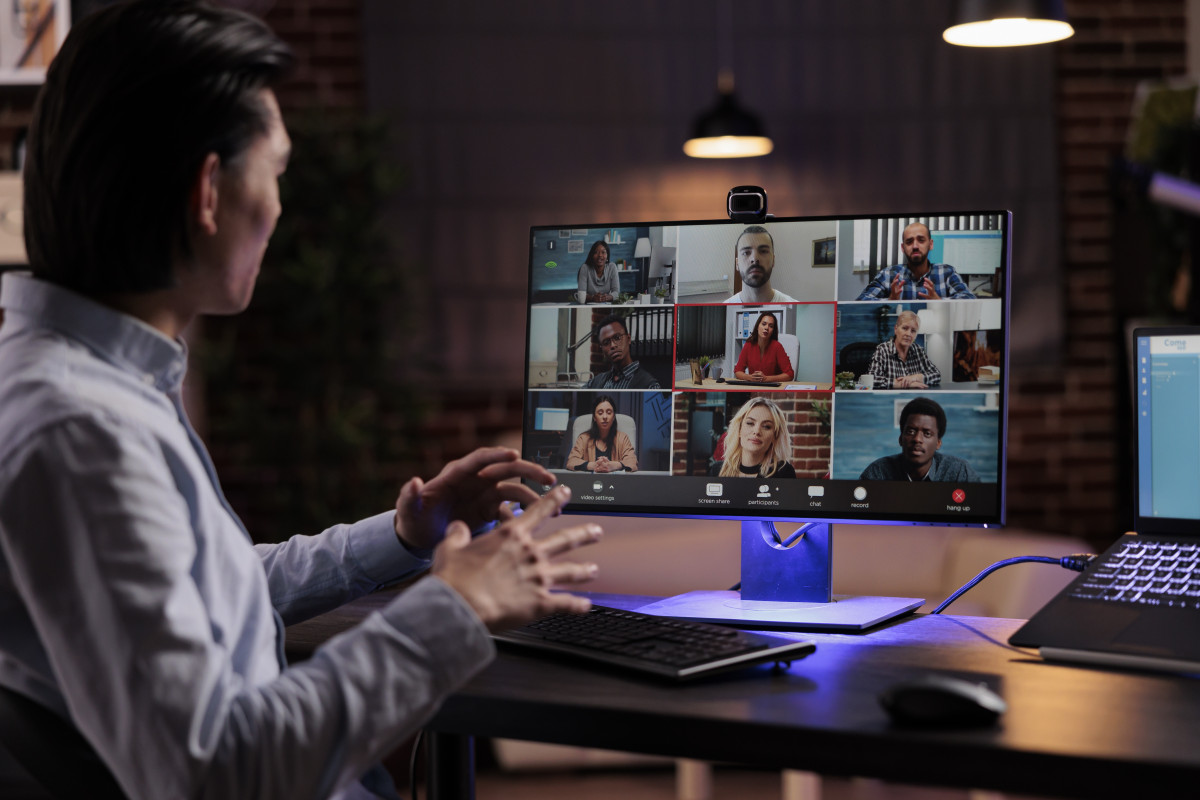
In an ever-evolving global business landscape, the demand for distributed talent is continuing its steady rise. Modern enterprises are increasingly recognizing the immense benefits of tapping into a worldwide pool of skilled professionals to spark innovation and maintain an agile workforce.
According to data from Buffer’s State of Remote Work report, 98% of workers desire to work remotely at least some of the time, a preference driven heavily by a demographic shift where younger cohorts actively prioritize geographic flexibility. Understanding why Gen Z employees favor remote work setups is a vital component when planning a modern, competitive workplace strategy.
However, building a borderless team introduces unique friction points. From managing asynchronous communication and overlapping time zones to maintaining data privacy and ensuring company values transcend digital screens, there is a lot to consider.
This comprehensive guide outlines how to build a sharp recruitment strategy, source top-tier candidates, and manage distributed teams seamlessly.
Crafting a Remote Team Recruitment Strategy
A strong recruitment strategy bridges your immediate operational needs with long-term talent retention. To remain agile, organizations must transition from traditional, localized frameworks toward an optimized approach built specifically for borderless sourcing.
An effective remote recruitment plan relies on three core pillars:
1. Defining Explicit Roles and Documented Responsibilities
Remote professionals are naturally drawn to positions that outline a well-defined scope of work. Start by stripping out generic corporate jargon and clearly map the specific skills, daily deliverables, reporting lines, and independent qualifications required for the role.
2. Prioritizing Advanced Asynchronous Communication Skills
Distributed environments rely heavily on written and documentation-first communication. When crafting job criteria, prioritize a candidate’s ability to express complex technical concepts clearly without the immediacy of physical interactions. This trait should be rigorously tested via practical work samples or specialized text-based screening assessments during the early stages of your evaluation.
3. Leveraging Global Employer of Record (EOR) Frameworks
Establishing a local legal entity in every country where you find a qualified applicant is an expensive, multi-month bureaucratic hurdle. Partnering with an EOR service allows you to onboard international talent legally and efficiently in a matter of days. The EOR serves as the statutory legal employer on paper, executing localized multi-currency payroll, managing tax disclosures, and handling regional labor compliance, leaving your management team free to focus entirely on core business objectives.
Effective Job Posting and Talent Sourcing
Finding the right professionals requires changing where and how you promote your opportunities. In 2026, the global talent marketplace is highly saturated, meaning clarity and brand alignment are your best tools for filtering candidates:
Create Compelling, Culture-First Descriptions: High-performing remote workers actively seek organizations with a clear sense of purpose and transparent communication. Ensure your postings highlight not just technical necessities, but also your team’s core values, collaborative habits, and approach to employee well-being.
Utilize Dedicated Remote Job Boards: Rather than relying solely on generalized corporate networks, source candidates from targeted remote-first boards (such as We Work Remotely or FlexJobs). This attracts candidates who already possess verified experience operating independently across distributed ecosystems.
Showcase Team Success Stories on Social Media: Utilize social channels to provide a transparent window into your daily operations. Share testimonials, video clips, and workflow setups from your existing distributed staff to demonstrate a deep, structural commitment to flexible arrangements.
Conducting Rigorous Virtual Interviews
Given the borderless nature of the role, video-based evaluations are a critical requirement. These sessions offer direct insight into how comfortably a candidate navigates digital collaboration tools and sets up a professional home-office environment.
Beyond basic behavioral questions, virtual interviews should replicate real-world scenarios:
To optimize these digital assessments while keeping pace with broader economic movements, learning how to remain highly competitive in a modern job market ensures your HR recruiters are leveraging tech to identify top-tier talent efficiently.
Ensuring Cultural Fit and Collaboration Alignment
Company culture is the unifying element that ties a distributed organization together, transforming a collection of remote contractors into a singular, highly motivated team. Maintaining this cohesion requires intentional effort. To prevent subjective hiring decisions, learning how to objectively assess cultural fit in hiring helps managers focus on deep value alignment rather than superficial personal likability.
Fostering an open environment where diverse viewpoints are valued ensures that team members feel heard, driving deeper engagement and long-term retention.
Onboarding and Seamless Integration
A structured, professional onboarding experience sets the standard for an employee’s lifecycle. A successful digital onboarding flow covers everything from immediate software provisioning to setting communication milestones.
Establish Communication Protocols Early: Build transparent guardrails for response times, asynchronous meeting etiquette, and specific usage policies for different digital channels. This prevents digital fatigue and eliminates communication misunderstandings.
Implement a Mentorship Program: Pair your incoming remote workers with an experienced colleague who serves as a dedicated mentor or “buddy.” This accelerates their cultural integration and gives them a safe space to ask clarifying questions.
Schedule Routine Check-Ins: Maintain consistent one-on-one sessions to gauge comfort levels, review short-term performance deliverables, and address back-office concerns before they turn into operational bottlenecks.
Make Remote Hiring Easier with BGC Group
Successfully scaling and integrating an international workforce requires a strategic approach that spans recruitment, onboarding, and ongoing collaboration. Reviewing the strategic role of EOR companies in supporting remote and hybrid work models demonstrates how outsourcing administrative burdens protects your bottom line.
With nearly two decades of workforce infrastructure expertise, BGC Group stands out as the right Employer of Record partner to power your international success:
Deep Local Intelligence: Trusted across the globe since 2005, our experts provide localized market knowledge to simplify cross-border hiring for growing companies.
End-to-End Workforce Management: From drafting jurisdiction-specific contracts to executing multi-currency payroll and managing global taxes, we handle the backend administrative heavy lifting.
Corporate Mobility and Visa Support: We help your business efficiently sponsor work permits and deploy specialized talent across regions when localized skills gaps appear.
Tech-Driven Efficiency: We leverage modern cloud automation to streamline identity verification and contract collection, dramatically reducing your total time-to-hire.
Embrace the boundless opportunities of a borderless workforce. Focus on innovation and market growth while we protect your compliance.
Contact BGC Group today to receive a free cost calculation and customized EOR quotation for employing workers in any country of your choice!