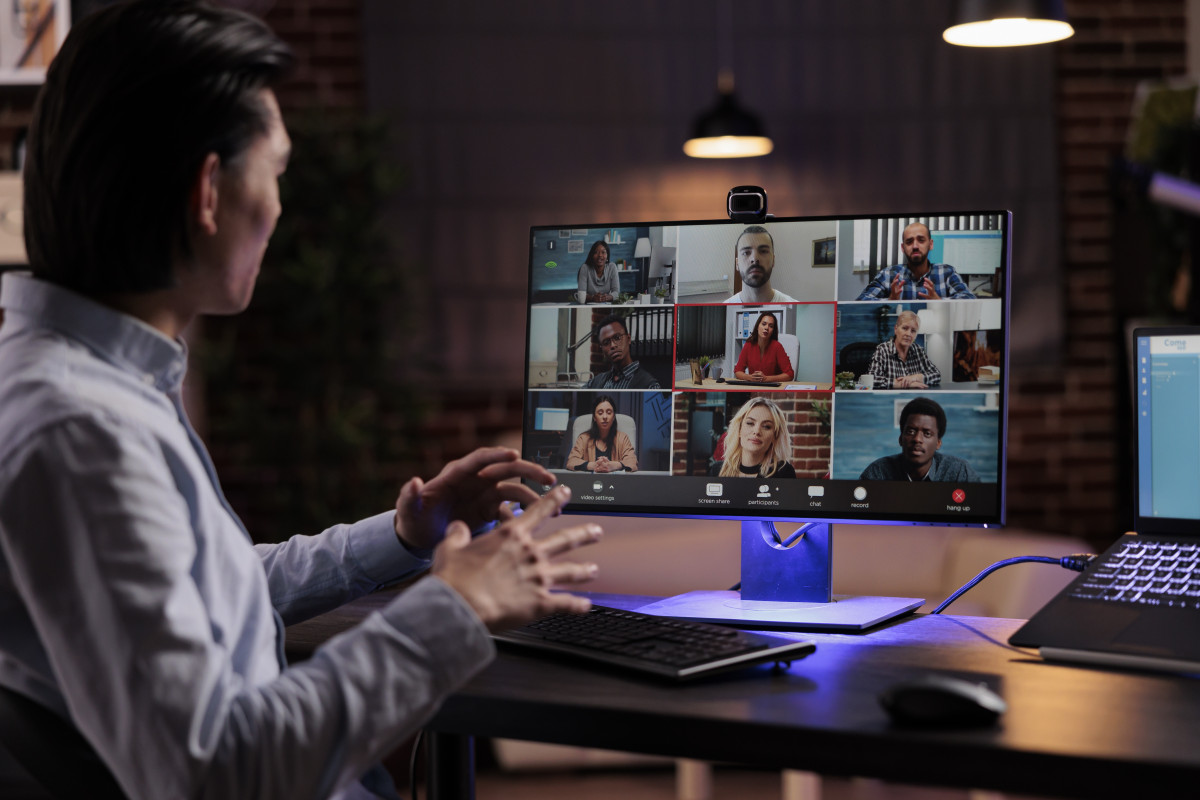

Singapore has fully transitioned into the post-pandemic era, but the traditional 9-to-5 office model has not returned with it. For Generation Z—the cohort born between 1997 and 2012, who now make up a significant and rapidly growing segment of the Singaporean workforce—remote and hybrid work is no longer viewed as a pandemic-era perk. It is a baseline expectation.
According to a report by the IWG (International Workplace Group), despite a push from some traditional corporations to return to the office, over 65% of young professionals in Singapore indicated they would rather resign or look for new employment than accept a role that requires them to be onsite five days a week.
This cultural shift has even been recognized at the national level, with the government’s implementation of the Tripartite Guidelines on Flexible Work Arrangement Requests (TG-FWAR), which mandates that employers must formally and fairly consider flexible work requests.
But why is Gen Z so staunchly protective of remote work? As a leading Talent Acquisition Agency in Singapore, we have analyzed the data. Here are the 5 core reasons why Gen Z employees in Singapore strongly prefer to work remotely.
1. The Pursuit of True Work-Life Harmony
For Gen Z, mental health and personal well-being are not secondary to their careers; they are the foundation. According to recent Qualtrics employee experience data, the primary reason young employees consider switching jobs is the pursuit of improved work-life balance.
In Singapore, the daily commute via MRT or bus during peak hours can be highly draining. The average pre-pandemic commute time was roughly 45 to 50 minutes each way. By working remotely, a Gen Z employee reclaims up to 8 to 10 hours a week in lost transit time.
This reclaimed time is heavily reinvested into de-stressing activities—such as going to the gym, pursuing side hustles, or spending quality time with family. Remote work allows them to integrate their career into their life, rather than squeezing their life around their career.
2. A Rejection of “Presenteeism” (Focus on Results)
Traditional office culture in Singapore has historically suffered from “presenteeism”—the toxic idea that an employee is only working hard if the boss can physically see them sitting at their desk. This often results in employees stretching out tasks to look busy until 6:00 PM to satisfy optics. (Read our guide on 5 Toxic Leadership and Management Traits to Watch Out For! for more on this).
Gen Z heavily rejects this outdated metric. They are digitally native, highly efficient, and believe in results-based evaluation. When working from home, productivity is measured by output, not hours spent in a chair. If a Gen Z software developer finishes their coding sprint by 3:00 PM, they want the autonomy to log off and recharge, rather than pretending to work for another three hours. Remote work inherently forces managers to evaluate staff based on actual deliverables, fostering a much healthier and fairer work culture.
3. Unprecedented Schedule Flexibility
Not everyone operates on the same biological clock, and Gen Z is highly attuned to optimizing their personal productivity windows.
Working from home allows employees to take charge of their day-to-day schedules through asynchronous work. A night owl might prefer to tackle deep, complex analytical tasks at 10:00 PM, while taking a slower, relaxed morning. As long as the deadlines are met and they are present for core collaborative meetings, remote work empowers them to operate when they are at their sharpest.
This flexibility is also a massive draw for young working parents in Singapore, who can seamlessly balance school drop-offs and childcare without sacrificing their professional output. (Learn more about navigating these policies in our breakdown of Exploring Flexible Work Arrangements in Today’s Workplace).
4. Optimized, Distraction-Free Environments
Modern Singaporean offices are largely designed with “open-plan” layouts. While originally intended to foster collaboration, data shows they often achieve the opposite. Open offices are loud, visually distracting, and filled with interruptions—from chatty colleagues to endless impromptu meetings.
Gen Z employees, who often need to execute “deep work” (such as coding, data analysis, or digital design), find it incredibly difficult to concentrate in these environments.
Working remotely allows them to curate their own optimized workspace. Whether it is a quiet home office with customized lighting and dual monitors, or a quiet corner at a heartland café with strong Wi-Fi, remote work gives employees control over their sensory environment. This autonomy drastically improves both work efficiency and quality.
5. Combating the Rising Cost of Living in Singapore
In 2026, navigating the rising cost of living is a top priority for young adults. Between GST hikes and core inflation, going into the Central Business District (CBD) every day is expensive.
Consider the daily hidden costs of office work in Singapore:
Commuting Fares: Daily MRT/bus fares or ERP charges and parking.
Food and Beverage: A simple lunch in the CBD easily costs $10 to $15+, not including the obligatory afternoon kopi or artisanal coffee.
Professional Wardrobe: The cost of maintaining and dry-cleaning a corporate wardrobe.
According to financial surveys, remote workers consistently report that working from home has a massive positive impact on their personal finances. By cooking at home, making their own coffee, and cutting out transit costs, Gen Z employees effectively give themselves a localized pay raise.
Final Thoughts: Adapt or Lose Out on Top Talent
The message from the Gen Z workforce is clear: flexibility is the new currency. Companies in Singapore that refuse to offer remote or hybrid work arrangements will find themselves severely disadvantaged in the war for talent.
If your organization is struggling to attract young, innovative professionals, or if you need help designing a competitive, flexible workforce strategy, BGC Group is here to help. Whether you are looking for Permanent vs Contract Hiring solutions that cater to remote-first talent, our expert recruiters can connect you with the best. Connect with us today!